

What if you could transform your kitchen table into a real laboratory where learning feels like play? This is the promise behind MEL Science a leading educational company that’s changing how kids experience STEM.
This comprehensive review examines everything from product quality to MEL Science subscription models. We base our analysis on real user experiences and detailed evaluation.
MEL Science offers a wide range of subjects. These include chemistry, physics, math, medicine, and space exploration. Each kit is designed for specific age groups.
These educational tools make complex concepts accessible. They achieve this through hands-on experiments paired with digital companions. The approach bridges classroom learning with practical application.
Our article will help parents and educators make informed decisions. We’ll cover product lines, unboxing experiences, and educational value. We’ll also analyze pricing and compare options.
MEL Science has received praise for its high-quality materials. Some users have noted challenges with subscription management. We provide an unbiased perspective based on actual customer feedback.
This could be a valuable investment for fostering STEM interest in children. It turns theoretical knowledge into memorable, experiential activities.
Key Takeaways
- MEL Science provides comprehensive STEM kits designed for home learning environments
- Kits cover multiple subjects including chemistry, physics, math, and space exploration
- Each product combines hands-on experiments with digital guidance through a companion app
- Materials are designed for different age groups and skill levels
- MEL Science subscription model delivers regular educational content throughout the year
- High-quality components and clear instructions enhance the learning experience
- Real user feedback shows both significant strengths and areas for potential improvement
What is MEL Science? An Introduction to the Brand
Children can build real working models and conduct genuine experiments with materials shipped right to their door. MEL Science operates on a subscription model, delivering comprehensive kits monthly. Each box contains nearly everything required for discovery, excluding common household items like water.
The brand offers multiple product lines to suit various interests. These include standard experiment boxes, a Curiosity Box, and specialized sets for medicine and kitchen science. There’s even a lighter chemistry version for older students.
Company Mission and Educational Approach
MEL Science aims to make complex concepts accessible and engaging for young minds. The mission centers on practical, experiential learning that bridges classroom theory with real-world application.
The approach is uniquely comprehensive. It combines physical construction with digital guidance through companion apps. This creates a layered educational experience.
Understanding comes from assembling equipment, not just using pre-made items. Some users note this building process offers deeper insight than university lab work. MEL Science provides what feels like university-grade tools for home use.
Clear instructions and supporting materials make the journey smooth. Booklets and online platforms break down concepts into understandable parts. This structure helps families navigate experiments successfully.
From Chemistry to STEM: A Broad Range of Subjects
The curriculum spans an impressive array of disciplines. Core offerings include chemistry and physics for deeper dives into specific sciences. The range extends to STEM, mathematics, medical studies, and space exploration.
Kits are carefully designed for different developmental stages. Engineering-focused sets start for children as young as five. Medical kits cater to high school students and beyond, around age fourteen and up.
This breadth allows for continuous engagement as a child grows. Families can explore different fields over time. The variety keeps the learning experience fresh and exciting.
MEL Science has established itself over several years, with users reporting positive multi-year subscriptions. This longevity speaks to the consistent quality and educational value delivered through each box that arrives at your home.
Exploring the MEL Science Product Lines
The company’s catalog is organized into distinct learning tracks, each targeting specific scientific disciplines and developmental stages. This structure helps parents find the right pathway for their child’s current abilities and interests.
You can start with basic engineering concepts and progress to complex chemical reactions over time. The progression system supports continuous learning for multiple years.
MEL STEM: Hands-On Engineering for Ages 5+
This foundational series introduces young learners to engineering principles through tangible projects. It’s designed for children as young as five years old.
The line includes seventeen different boxes covering various concepts. Young builders create working models like a Hydraulic Lift using balsa wood components.
Instructions come in colorful, picture-based booklets. These materials are geared toward early readers and visual learners.
Parents often note their kids enjoyed building these mechanical systems. The activities make abstract ideas concrete through hands-on assembly.
MEL Chemistry & Physics: Deep Dives for Ages 8-14+
These intermediate series offer more sophisticated explorations of core scientific principles. They bridge everyday life observations with formal theory.
The chemistry course contains twenty-two boxes for ages ten and up. Each kit provides deep dives into specific reactions and molecular behavior.
Students explore the science behind common phenomena through safe, guided experiments. The physics line has eighteen boxes suitable from age eight.
It examines physical laws and mechanical systems in detail. Both series include video guides that demonstrate procedures step by step.
This multimedia approach reinforces the written instructions. Many families highly recommend these sets for their educational depth.
Specialty Kits: Math, Medicine, and Space
Beyond the core subjects, the brand offers specialized pathways for particular interests. These cater to more focused learning journeys.
The mathematics series includes five boxes for ages eight and older. It presents numerical concepts through practical applications and puzzles.
The medical line is specifically designed for high school students aged fourteen plus. Its eight boxes explore human biology and medical technology.
This makes it ideal for teens considering healthcare careers. Space-themed kits round out the specialty offerings.
Each product line maintains consistent material quality while tailoring complexity appropriately. You can switch between subjects as your child’s curiosity evolves.
Some users report progressing from STEM to physics to chemistry kits over several years. This flexibility supports long-term engagement with the subscription.
Unboxing the Experience: What Comes in a MEL Science Kit?
From the compact, colorful box to the organized contents within, MEL Science educational kits are designed to spark curiosity from the very first glance. The arrival of a new package signals the beginning of another hands-on adventure.
Taking the Hydraulic Lift STEM kit as an example, the package measures approximately 2 by 10 by 5 inches. Vibrant product imagery on the front immediately identifies the experiment inside.
This thoughtful presentation builds anticipation before you even open it. The design makes storage simple between sessions.
High-Quality Physical Components and Materials
Opening MEL Science box reveals all necessary supplies organized in several resealable bags. These pouches don’t require scissors to open, making them child-friendly.
The bags can be reused for storing leftover pieces. This practical approach reduces waste and keeps small parts together.
Components showcase exceptional material quality right from the start. The Hydraulic Lift includes precisely cut balsa wood pieces, medical-grade syringes, flexible tubes, and durable plastic connectors.
Each item feels substantial and well-made. Nothing appears flimsy or cheap.
This attention to detail ensures the models function properly. It also makes the building process more satisfying for young engineers.
The Booklets: Instructions, Comics, and Science Explanations
Two half-page size booklets provide guidance and context. The first is the Science Journey booklet, which establishes a comic-style narrative.
Characters guide learners through a thematic story related to the experiment. This creative approach makes abstract concepts more relatable.
The Instruction Booklet contains over thirty pages of comprehensive content. Like popular building toy guides, it uses picture-based steps without words.
Visual instructions eliminate reading barriers for younger children. They can follow along independently or with minimal help.
Additional sections expand the educational value significantly. Cartoons continue the science story while blueprints show real-world applications.
Explanations break down the “why” behind each step. Extension activities include coloring pages, spot-the-difference games, and bonus experiment suggestions.
Paper quality is exceptional throughout. Thick, coated pages withstand handling during messy activities.
They resist water splashes and don’t tear easily. This durability matters when booklets sit beside working experiments.
Extras: Mystery Planet Maps and Achievement Stickers
A folded map printed in full-color on heavy paper adds another layer of engagement. This Mystery Planet Map unfolds to reveal a large, colorful seek-and-find style maze.
Children place achievement stickers from each completed box on the map. This creates a visual record of their progress over time.
The poster format encourages display in a learning space at home. It serves as a conversation starter about past projects.
The sticker system provides tangible recognition for finishing experiments. Kids enjoy watching their map fill up throughout the subscription.
This gamification element boosts motivation between deliveries. It connects individual kits into a longer learning journey.
Everything arrives in one organized package. Families don’t need to search for special tools or materials.
The complete nature of each box makes starting immediate. You can dive right into discovery without preparation delays.
The Hands-On Build: A Step-by-Step Review
The true test of any educational kit comes when hands meet materials and construction begins. This is where theoretical plans become physical reality through direct manipulation and assembly.
Using the Hydraulic Lift STEM kit as our case study, we’ll examine the complete building journey. This process reveals how well the design supports learning through doing.
Following Picture-Based Instructions
The instruction booklet uses a visual language familiar to young builders. Like popular building toy guides, it relies entirely on pictures without words.
Each page shows new components on the left side. The right side displays assembly steps with clear graphical directions.
This approach eliminates reading barriers for early learners. Children can follow along independently or with minimal adult help.
The step-by-step format teaches careful attention to detail and sequential thinking. Builders must observe orientation and placement closely.
Completing the Hydraulic Lift took approximately 10-15 minutes with a fourth grader assisting. The reasonable time commitment keeps engagement high without frustration.
Material Quality and Durability During Assembly
Most components demonstrate excellent craftsmanship right from the start. The kit includes medical-grade syringes, flexible tubing, and durable plastic connectors.
However, the balsa wood pieces require careful handling. This lightweight material can crack if excessive force is applied during assembly.
One user reported a cross-beam cracking when pushed too hard. Despite this, the finished lift still functioned properly.
Adult supervision is recommended for younger children working with delicate components. Guidance helps prevent breakage and teaches proper technique.
The building process emphasizes careful orientation of pieces. Putting something on backwards is a common learning moment that reinforces spatial reasoning.
Even with occasional fragility issues, the overall material quality supports successful completion. The experience remains positive and educational throughout.
The “Aha!” Moment: Seeing the Experiment Work
The magic happens when construction finishes and testing begins. Children pull the syringe plunger and watch their creation come to life.
The hydraulic lift smoothly raises and lowers its platform. This visible cause-and-effect relationship creates immediate understanding.
One child exclaimed, “It’s so cool! It’s like watching magic!” This emotional response captures the program’s success at making learning exciting.
This “aha moment” transforms abstract principles into tangible experience. Pressure, force, and mechanical advantage become real through direct observation.
The building journey teaches more than just following directions. It demonstrates how careful work leads to functional results.
Parents often note their kids enjoyed building these working models. The hands-on approach creates lasting memories and concrete knowledge.
Despite minor challenges with fragile pieces, the overall experience delivers significant educational value. Families consistently report high satisfaction with the process.
Beyond the Build: The Educational Content Deep Dive
While assembling the physical model provides immediate satisfaction, the true educational value unfolds in the detailed companion materials that follow. These resources transform a simple construction project into a comprehensive learning journey.
The booklets included with each kit deliver substantial educational content. They connect hands-on activities to broader scientific principles and real-world applications.
Connecting the Experiment to Real-World Science
One dedicated page explains “The Science of Hydraulics” using clear words and helpful pictures. This section breaks down why water pressure creates lifting force in simple terms.
It suggests an additional experiment using oil instead of water. This extension demonstrates how different fluids affect hydraulic systems.
The “Hydraulics in Everyday Life” pages show real-world applications with photographs of industrial lifts and vehicle brakes. Children see how the principles they just explored operate in the world around them.
This connection helps kids understand that science isn’t just abstract theory. It has practical, observable applications in their everyday life.
The materials make complex concepts accessible through visual explanations. They bridge the gap between classroom knowledge and hands-on experience.
Cartoon Stories and Thematic Learning Journeys
A continuous comic-style narrative runs through multiple booklets over time. Characters guide learners on thematic adventures related to each month’s experiment.
This approach creates an engaging story framework for the entire subscription year. Kids follow along as characters face challenges solved through scientific discovery.
The narrative structure includes beginnings, middles, and “to be continued” endings. This maintains engagement across months, encouraging anticipation for the next box.
The cartoon format makes abstract concepts more relatable and memorable for young minds. Children connect with characters while absorbing scientific principles.
This thematic journey represents one part of a larger educational course. It helps build sustained interest in STEM topics throughout the subscription.

Extension Activities and Further Exploration
After the main experiment, additional activities extend the learning experience. These include coloring pages based on the month’s theme.
Puzzle games like “spot seven differences” reinforce observation skills. They provide entertaining ways to revisit the scientific concepts.
These extension activities reinforce learning through different modalities and learning styles. Visual, kinesthetic, and logical thinking all get engaged.
The materials are designed to spark curiosity and encourage exploration beyond the kit itself. Parents often find their children asking questions that lead to further research.
The educational approach balances entertainment with substantive science education. Kids have fun while gaining genuine knowledge about how things work.
Everything arrives on durable, coated paper that withstands handling during activities. This quality ensures the materials last through multiple uses.
At the end of each session, children have more than just a completed model. They gain understanding of the science behind what they built and how it applies to real life.
The Digital Companion: MEL Science Apps and VR
Each kit connects to a digital world where children can explore scientific concepts through augmented reality and interactive games. This program extends learning beyond physical materials with a suite of companion applications.
The digital ecosystem includes four separate apps designed to enhance different aspects of the experience. While innovative, this multi-app approach presents both opportunities and challenges for users.
MEL Science App: Gamification and Account Management
The primary application serves as your central hub for account management and progress tracking. Here, families can monitor their subscription and access digital resources.
Gamification features make learning engaging through achievements and virtual coins. Children earn rewards by uploading photos of completed projects. This system encourages follow-through and provides digital recognition for their work.
The app transforms the educational journey into an interactive adventure. Kids feel motivated to complete each activity to unlock new achievements.
MEL STEM & VR Apps: Augmented and Virtual Reality Lessons
Specialized applications bring subjects to life through immersive technology. The STEM-focused app offers augmented and virtual reality experiences.
Children can interact with three-dimensional models of their builds in virtual space. They manipulate components and see how systems work from new perspectives.
A separate VR application delivers immersive video lessons for chemistry and physics topics. Annual subscribers receive cardboard goggles to enhance these virtual reality sessions.
These digital tools make abstract concepts tangible through interactive exploration. Kids visualize molecular structures or mechanical systems in ways physical models cannot show.
Navigating the Multiple Apps: A Note on User Experience
With four distinct applications available, some families find the digital landscape confusing. Each app serves a specific purpose, but the separation can create friction.
Parents must determine which platform to use for different features. The CuriosityQ application appears similar to the main app, adding to potential confusion.
While the digital features are cutting-edge, the fragmented experience requires extra navigation. Users appreciate the innovation but note the learning curve involved.
Despite this complexity, the apps significantly enrich the overall educational value. They provide layers of engagement that complement hands-on activities perfectly.
The digital companion transforms a simple subscription into a comprehensive learning ecosystem. It bridges physical experimentation with virtual exploration for a complete experience.
The MEL Science Subscription & Pricing Model
The gateway to receiving these monthly science adventures involves selecting from several subscription tiers with different cost structures. This program operates exclusively through recurring deliveries rather than one-time purchases.
Understanding the financial commitment helps parents make informed decisions. The pricing reflects the comprehensive nature of each kit.
Understanding the Monthly Box System
This educational program uses a subscription-based delivery model. Families cannot purchase individual boxes without committing to a recurring plan.
You select a subject line like Chemistry or STEM when signing up. The company then sends the next box in that sequence each month.
This sequential approach builds knowledge progressively throughout the year. Each box connects to previous learning while introducing new concepts.
One common concern is the inability to choose specific experiments. You receive whatever comes next in your chosen category.
The flexibility to switch subjects at any time helps address changing interests. If your child wants to explore physics instead of chemistry, you can make that change easily.
This system ensures continuous engagement over time. Many families appreciate the structured learning journey it provides.
Pricing Tiers: Monthly, Quarterly, Semi-Annual, and Annual
The brand offers four payment frequencies with different per-box costs. Longer commitments provide significant savings.
The monthly plan costs $39.90 per box. This totals $478.80 for a full year of deliveries.
Quarterly billing reduces the price to $38.90 per set. The annual cost becomes $466.80 with this option.
Semi-annual subscriptions offer further savings at $34.90 per kit. Families pay $418.80 for twelve months of activities.
The annual commitment provides the best value at $29.90 per box. This totals $358.80 for the entire year.
Annual subscribers also receive free VR cardboard goggles. These enhance the digital learning experience described in our app review.
Compared to other STEM subscription services, this program sits at the higher end of the market. The pricing reflects the comprehensive materials and educational depth.
Many users who highly recommend the program choose annual billing. The savings make the investment more manageable over time.
Shipping Costs and Considerations for the US Market
Shipping represents an additional expense for American customers. Unlike some competitors, delivery costs are not included in the subscription price.
This extra charge affects the total monthly investment. Families should factor it into their budgeting decisions.
You can select either one or two sets per month. The dual option works well for siblings with different interests or accelerated learners.
Managing your subscription through the website requires attention to billing cycles. Make sure you understand renewal dates to avoid unexpected charges.
The company’s delivery system reliably brings hands-on learning to your home. Each box contains everything needed except common household items.
Parents appreciate the step-by-step instructions that make experiments accessible. The quality materials withstand repeated use throughout the course.
While the initial cost may seem substantial, many find the long-term educational value justifies the investment. Children gain practical knowledge about the science behind everyday phenomena.
Analyzing the Pros: What Users Love About MEL Science
Positive reviews from families highlight several standout features that make this subscription service a favorite. User feedback consistently points to specific advantages that deliver real educational value.
Parents and grandparents share enthusiastic stories about their experiences. These testimonials reveal why many consider the investment worthwhile for their children’s learning journey.
Engagement and “Wow” Factor for Kids
Children often react with genuine amazement during experiments. One grandparent noted their grandchildren loved kits that teach the beginnings of physics and chemistry.
The emotional response creates lasting memories. Kids exclaim with excitement as they witness chemical reactions or mechanical systems working.
This “wow factor” transforms abstract concepts into tangible excitement. It sparks curiosity that extends beyond the initial activity. Many children develop sustained interest in scientific topics.
Parents report the kits foster valuable bonding time. Collaborative building and discovery create shared experiences. These moments strengthen family connections through learning.
Homeschool families find the materials excellent supplements. They integrate hands-on activities with formal curriculum. This approach makes theoretical knowledge concrete and memorable.
High-Quality Kits That Support Experiential Learning
Material quality receives consistent praise across user reviews. Components feel substantial and well-made compared to some competitors’ products.
Durable pieces withstand repeated use throughout the course. This longevity provides good value over time. Families can revisit experiments months later.
The noticeable difference in craftsmanship enhances the overall experience. Children handle real tools and proper equipment. This authenticity makes learning feel more serious and meaningful.
Users specifically compliment the variety maintained across months. Different themes and activities prevent boredom. Interest remains high throughout the subscription year.
Gift recipients continue enjoying kits long after initial receipt. The ongoing delivery system extends the present’s value. It becomes a gift that keeps giving throughout the year.
Comprehensive All-in-One Boxes with Clear Instructions
Everything needed arrives in one organized package. Families appreciate not searching for special tools or materials. Basic household items like water are the only exceptions.
This completeness allows immediate engagement. Children can start discovering without preparation delays. The convenience factor matters for busy households.
Picture-based guides enable independent exploration. Visual steps eliminate reading barriers for younger kids. They can follow along with minimal adult help.
The instructions use a familiar format similar to popular building toys. Clear diagrams show component placement and orientation. This approach teaches careful attention to detail.
Parents highlight how kits encourage understanding through hands-on work. Children learn by doing rather than just observing. This experiential method creates deeper knowledge retention.
Many users highly recommend the program to other families. They cite the combination of quality materials and educational design. The overall experience delivers on its promise of engaging STEM education.
Addressing the Cons: Common Criticisms and Drawbacks
No educational product is perfect, and this subscription service has its share of criticisms from real customers. While many families praise the experience, some report frustrating issues that deserve honest examination.
A balanced review must consider these drawbacks. They help parents make fully informed decisions.
Common complaints focus on billing, material durability, and overall cost. Understanding these potential pitfalls prepares you for the journey.
Subscription Management and Billing Issues
The most frequent complaint involves subscription management. Some users report continued charges after attempting to cancel.
One customer stated they subscribed for three months but were billed for three more. They felt the process was intentionally difficult.
Cancellation sometimes proves challenging through multiple channels. Users mention trying voice, text, the website, and the helpdesk. Resolution occasionally requires escalating through public review platforms.
Another issue involves receiving boxes that don’t match the subscribed category. A medical science subscriber received the initial three correct boxes.
After that, they started getting “other random things.” This mismatch disrupts the planned learning course.
Missing components present another headache. A parent noted their third box lacked the main piece for the entire project. This renders the experiment incomplete or very difficult.
Customer service generally resolves these issues when contacted. However, the initial frustration can dampen the overall experience.
Fragility of Some Components (e.g., Balsa Wood)
Material quality receives praise overall, but certain pieces have durability concerns. The balsa wood used in some STEM kits is a common example.
This lightweight material can crack if excessive force is applied during assembly. Careful handling is essential, especially for younger children.
One user reported a cross-beam cracking when pushed too hard. Fortunately, the finished model still functioned properly. The incident became a learning moment about material properties.
Assembly for some experiments can be tricky due to these fragile pieces. Adult supervision is recommended to prevent breakage and teach proper technique.
The building process emphasizes careful orientation. Putting something on backwards is a common mistake that reinforces spatial reasoning.
Despite occasional fragility, the overall material quality supports successful completion. The experience remains educational, but requires patience.
Cost Compared to Other STEM Subscription Boxes
This program sits at the higher end of the market. Many users note it’s more expensive than some competitors.
When comparing to alternatives like KiwiCo and CrunchLabs, the price difference is noticeable. The annual commitment offers the best value at $29.90 per box.
This still totals $358.80 for the full year. Shipping costs add extra expense for US customers.
The additional shipping fee increases the total monthly investment. Families should factor this into their budgeting decisions. It’s not included in the subscription price like some services.
Another limitation is the inability to purchase individual boxes. You must commit to a recurring plan rather than buying one kit at a time.
The digital ecosystem adds value but also complexity. Some parents find the multiple apps confusing to navigate.
Each application serves a specific purpose, but the separation creates friction. Users appreciate the innovation but note the learning curve.
Despite these criticisms, many who encounter issues still highly recommend the program. They cite the depth of knowledge gained and the engaging activities.
The key is entering with clear expectations. Make sure you understand the billing cycle and cancellation policy on the website.
Find the right subject line for your child’s age and interests. This helps ensure they receive boxes aligned with their current course.
While not perfect, the brand delivers substantial educational value. The hands-on approach makes complex concepts part of everyday life.
Who is the Ideal MEL Science User?
Not every educational product fits every family, but certain user profiles benefit most from this comprehensive approach to STEM learning. The ideal match values hands-on discovery over passive consumption. They seek materials that bridge classroom theory with real-world application.
Perfect for Homeschoolers and Curious Students
Homeschool families find these kits integrate seamlessly into structured curricula. One parent noted, “It was a great science supplement for my homeschooled child.” The experiments provide tangible examples of abstract concepts.
Self-motivated learners thrive with the exploratory nature of the activities. Curious students enjoy uncovering the science behind everyday phenomena. The kits feed natural curiosity with guided discovery.
Children who learn through tactile methods gain deep understanding. Building working models makes complex ideas concrete. This experiential approach creates lasting knowledge.
Great for Parent-Child Bonding and Collaborative Learning
These kits create valuable shared experiences for families. One user shared, “We have enjoyed building all the models together and reading more about science with my son.” This collaborative time strengthens relationships.
Parents appreciate the structured activities that facilitate quality interaction. The step-by-step instructions guide the process without overwhelming. Families work as teams to solve challenges and complete projects.
Grandparents also find success with these educational tools. “My grandchildren loved these kits,” reported one satisfied customer. The intergenerational learning creates special memories across age groups.
Many adults discover they learn alongside their children. Exploring concepts together makes the experience rewarding for everyone involved. This shared journey through discovery builds family connections.
Age Appropriateness and Subject Alignment
The product lines target specific developmental stages for optimal engagement. STEM kits begin at age five, introducing basic engineering principles. Young builders create simple working models with guidance.
Physics sets become suitable around eight years old. These explore mechanical systems and physical laws in greater depth. Children ready for more complexity find the right challenge here.
Chemistry courses start at approximately ten years of age. They delve into molecular behavior and chemical reactions. Safety features allow exploration of fascinating phenomena.
Medical kits cater to high school students aged fourteen and older. These specialized sets explore human biology and healthcare technology. They align with advanced coursework and career exploration.
Children who enjoy building similar to popular construction toys find familiar satisfaction here. The difference lies in the scientific purpose behind each creation. Every model demonstrates real physical or chemical principles.
Families seeking screen-free or screen-complementary activities appreciate the balance. Physical construction pairs with optional digital extensions. This hybrid approach suits various learning preferences.
Gift-givers value the ongoing educational nature of the subscription. Rather than a one-time present, it delivers continuous learning throughout the year. The recipient anticipates each new box with excitement.
Ultimately, the ideal user values comprehensive educational content over lowest cost. They recognize the investment in quality materials and thoughtful design. These families seek to make science part of their everyday life.
The Long-Term Value: From Elementary to High School
Educational value compounds over time, transforming simple experiments into foundational knowledge that supports advanced learning. This program delivers more than monthly activities. It builds a scaffold for academic growth across multiple years.
Families report using these tools for two to three years with continued satisfaction. The investment pays off as children progress through different developmental stages. Each box connects to the next in a meaningful journey.
Building a Foundation for STEM Interest
Early kits introduce basic engineering principles to young minds. Children as young as five start with simple mechanical systems. These activities make abstract ideas concrete through hands-on work.
The continuity of cartoon narratives maintains engagement across months. Kids follow characters through ongoing scientific adventures. The Mystery Planet Map provides visual progress tracking throughout the subscription year.
This structured approach creates sustained interest in STEM topics over time. Foundational concepts learned through early activities prepare students for more complex material later. The subscription model naturally supports long-term learning rather than one-off experiences.
Many parents highly recommend the program for its developmental appropriateness. Materials grow with the child, offering appropriate challenges at each stage. This thoughtful progression keeps kids engaged year after year.
User Stories: From Kits to College Science Majors
Real families share remarkable journeys that demonstrate the program’s lasting impact. One grandparent noted their grandson “out grew them” and is now in college. Their granddaughter in fifth grade recently explored hydraulics with the same enthusiasm.
Another powerful story comes from a student heading to Yale University. He plans to major in geology and physical sciences. He credits his years with these educational tools for fostering his scientific curiosity.
One family shared their eight-year-old nephew’s progression. He loved his STEM kits so much during his first year. The company automatically switched him to physics kits when he completed all the STEM activities in year two.
They’ve now signed him up for a third year, this time exploring chemistry. This natural progression shows how the program adapts to a child’s growing abilities. The experience evolves alongside the learner’s development.
These stories highlight how quality educational materials can influence academic paths. What begins as fun activities at home can spark career interests that last a lifetime.
Switching Between Subjects as Interests Grow
The flexibility to change focus areas supports evolving curiosity. Children might start with engineering concepts through STEM kits. As they mature, they can explore physics or chemistry with equal depth.
This adaptability makes the subscription valuable across different age groups. A child in elementary school builds basic models. The same student in middle school investigates chemical reactions.
The ability to switch between subjects keeps the learning experience fresh and engaging. Families don’t need to commit to a single pathway for multiple years. They can follow their child’s changing interests as they develop.
These tools supplement formal education from elementary through high school courses. They provide hands-on applications for classroom concepts. This practical reinforcement helps solidify theoretical knowledge.
While the initial cost requires consideration, the long-term benefits often justify the expense. Children gain practical understanding of the science behind everyday phenomena. They develop problem-solving skills that serve them well in academic settings.
The step-by-step instructions ensure success at every age level. Clear guidance helps parents facilitate learning without extensive preparation. Everyone can enjoy building and discovering together.
At the end of multiple years, children have more than just completed projects. They possess foundational knowledge that supports advanced study. They understand how scientific principles operate in real life.
MEL Science vs. Competitors: How Does It Stack Up?
A side-by-side examination reveals key differences in educational philosophy, material quality, and overall value among top STEM subscription services. Parents often compare leading brands to find the right fit for their child’s learning journey.
Understanding these comparisons helps families make informed decisions. Each company approaches hands-on education differently.
A Look at Alternatives like KiwiCo and CrunchLabs
Several strong competitors exist in the educational subscription market. KiwiCo offers various crates for different age groups with a focus on creativity.
CrunchLabs provides building projects with integrated video instructions. One parent noted their oldest son has a subscription to Crunch Labs.
They mentioned it is cheaper and offers good quality. The videos teach the science behind each experiment.
Price comparisons show this brand sits at the higher end of the market. Shipping costs add extra expense for US customers. This increases the total investment over time.
Material quality receives mixed reviews across companies. Some users report similar experiences with KiwiCrates’ materials.
Others note this company’s components feel more substantial. The difference in craftsmanship becomes noticeable during assembly.
Subscription flexibility varies significantly between brands. This program requires a recurring commitment.
Some competitors allow single purchases. This affects how families can test different options.
Customer service experiences differ based on user reports. Each company handles issues like missing pieces differently.
Parents should research support options before subscribing. This helps avoid frustration down the line.
Differentiating Factors: Depth of Science vs. Pure Fun
The educational approach separates this brand from many alternatives. It focuses more on depth of scientific understanding.
Some competitors prioritize pure entertainment. This company builds knowledge through structured courses.
Specialized subjects set this program apart from general STEM boxes. It offers medicine and advanced chemistry kits. These cater to high school students and beyond.
Many competitors stick to broader topics. This depth appeals to families seeking serious education.
Digital components follow different integration models. This brand uses multiple apps for various functions.
CrunchLabs incorporates video instructions directly into each project. The approach affects the user experience at home.
Award recognition validates the educational quality. MEL Chemistry received the “Top Science Box” award from StemGeek.com.
This external validation matters to parents researching options. It confirms the program’s commitment to quality.
The balanced perspective recognizes strengths and limitations. This brand excels in scientific depth and material quality.
It may be less convenient or affordable than some alternatives. Families must weigh these factors carefully.
Many users highly recommend the program despite higher costs. They value the comprehensive learning experience.
The step-by-step instructions ensure successful experiments. Children gain practical knowledge about everyday life.
Finding the right program depends on your educational goals. Consider your child’s interests and learning style.
This company delivers substantial value for families prioritizing depth. The investment pays off through lasting knowledge.
Customer Service and Support: What to Expect
When something goes wrong with your educational subscription, the quality of customer support can make or break the entire experience. This section examines what happens when you need assistance, based on real user reports and company responses.
Families share mixed stories about their interactions. Some praise the quick resolution of problems. Others describe frustrating attempts to fix subscription issues.
The brand appears committed to addressing concerns. Company representatives actively monitor and respond to online reviews. They often reach out directly to resolve problems mentioned publicly.
Resolving Issues with Missing Pieces or Boxes
Missing components present a common challenge for hands-on learning kits. A parent might open a new package only to find the main piece absent.
This renders the planned experiment incomplete. Fortunately, the company typically handles these situations well.
One user reported their third box lacked the essential project piece. They contacted customer service about the problem.
The response was prompt and helpful. A representative confirmed a replacement shipment was en route to their address.
Replacement shipments are the standard solution for missing or damaged items. The process usually works smoothly according to most accounts.
Another customer shared a positive experience. “This brand has great products AND customer service,” they wrote.
“Whenever I run into an issue the team has been able to quickly find me a resolution.” This feedback highlights the responsive nature of support for product issues.
Managing Your Subscription and Cancellation Process
Subscription management presents a more complex challenge for some users. The process occurs through both the website account portal and the companion app.
You can monitor your billing cycle and delivery schedule online. Changing subjects or updating payment information is straightforward here.
Cancellation sometimes proves difficult according to multiple reports. Some users describe needing multiple attempts across different channels.
One customer subscribed for three months but received charges for three more. They felt the cancellation process was intentionally challenging.
Persistence may be required when ending your subscription plan. Users mention trying voice, text, the website, and the helpdesk.
Resolution occasionally requires escalating through public review platforms. After posting a negative review, one person was contacted directly by the company.
The representative offered a refund and asked for their registered email. This demonstrates the brand’s monitoring of customer feedback.
For escalated issues, the company provides a direct contact option. One executive shared his email: george@melscience.com.
He invited customers to reach out directly to “make things right.” This shows commitment to resolving serious concerns at a higher level.
Practical advice emerges from these experiences. First, document all communication when dealing with subscription problems.
Keep records of cancellation attempts and support tickets. This creates a paper trail if issues persist over time.
Make sure you understand the billing cycle before subscribing. Know when renewals occur to avoid unexpected charges.
Check the website for current policies and contact information. The help section often contains answers to common questions.
When contacting support, be clear and specific about your issue. Provide order numbers and detailed descriptions for faster resolution.
The company generally responds well to product quality concerns. Missing pieces or damaged components get replaced quickly.
Subscription management may require more patience and follow-up. Be prepared to communicate through multiple channels if needed.
Overall, the brand shows willingness to address problems. Their active review monitoring indicates care about customer experience.
This commitment helps maintain trust throughout the learning journey. It supports the educational mission beyond just delivering boxes.
Safety, Supervision, and Making the Most of Your Kit
Getting the full value from your educational subscription requires more than just opening the box. The real magic happens when you create the right environment for discovery. This means focusing on safety, planning your sessions, and extending the learning beyond the initial activity.
With the right approach, each kit becomes a springboard for deeper understanding. Families can turn monthly deliveries into lasting educational experiences. The key lies in preparation and thoughtful engagement.
The Importance of Adult Involvement
Adult supervision is essential for successful experiments, especially with younger children. While the instructions are clear, having a parent or guardian nearby ensures everything goes smoothly. This involvement also creates valuable bonding time.
Fragile components like balsa wood need careful handling during assembly. Gentle pressure prevents cracking and teaches proper technique. Supervision helps children learn patience and attention to detail.
Some activities involve liquids or small parts that require watchful eyes. Being present allows you to guide the process and answer questions. This support builds confidence and makes learning more enjoyable.
Many parents find they learn alongside their children during these sessions. The shared experience strengthens family connections. It transforms education into a collaborative adventure.
Tips for a Successful and Safe Experiment Session
Preparation makes every activity more rewarding. Start by setting up a dedicated workspace with good lighting and a clean surface. This creates a proper laboratory environment at home.
Review the instructions together before beginning. Understanding the full process helps avoid confusion later. Make sure you have any common household items ready, like water for hydraulic experiments.
Allocate sufficient time so no one feels rushed. Most builds take 10-20 minutes, but allow extra for questions and exploration. Having replacement water nearby saves trips during liquid-based activities.
Handle syringes and connectors with care to prevent damage. Check that all pieces fit properly before applying pressure. Proper assembly ensures the model functions correctly.
Keep the workspace organized throughout the process. Use the resealable bags provided to store extra pieces. This organization prevents lost components and makes cleanup easier.
Document your progress with photos for the companion app. Uploading pictures earns virtual achievements and creates a family record. These memories become part of your child’s educational journey.
Extending the Learning Beyond the Box
The included materials offer multiple pathways for continued exploration. Booklets suggest additional activities, like trying hydraulic experiments with oil instead of water. These variations demonstrate how different materials affect scientific principles.
Digital apps provide reinforcement through virtual and augmented reality experiences. Use these tools to visualize concepts that are hard to see in physical models. The technology makes abstract ideas more tangible.
Connect each activity to real-world examples using the “everyday life” sections. Discuss how hydraulic systems operate in car brakes or construction equipment. This application shows why the science matters beyond the classroom.
Research related concepts online after completing an experiment. Look for videos showing larger-scale versions of what you built. Visit science museums to see professional demonstrations of similar principles.
Try creating your own variations using household materials. Challenge your child to modify the design or test different hypotheses. This creative exploration develops problem-solving skills.
Many families highly recommend keeping a science journal. Record observations, questions, and ideas for future investigation. This practice builds scientific thinking habits over time.
At the end of each session, discuss what you learned together. Ask questions about how the science applies to your daily life. This reflection solidifies knowledge and prepares minds for the next discovery.
How to Get Started with Your First MEL Science Kit
Taking the first step toward monthly science discovery involves several important decisions about subject selection and subscription terms. This guide walks you through the process from website navigation to your initial unboxing experience.
Follow these steps to ensure a smooth beginning to your educational journey. You’ll learn how to match kits with your child’s age and interests.
Choosing the Right Subject Line for Your Child
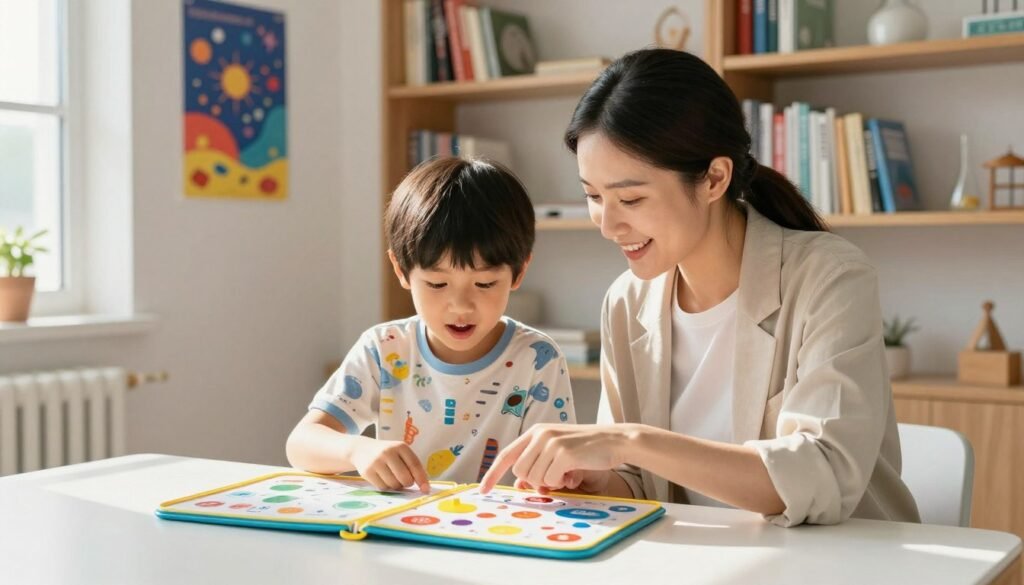
Selecting the appropriate learning pathway is crucial for engagement. The website offers five main categories: Chemistry, Physics, STEM, Math, and Space.
Consider your child’s age when making this choice. STEM kits work well for children as young as five. Physics becomes suitable around age eight.
Chemistry courses typically start at ten years old. Medical sets cater to high school students aged fourteen and older.
Involve your child in the selection process to increase their excitement. Discuss which scientific fields interest them most. This collaborative approach builds anticipation for the first delivery.
Look at the sample projects shown on the website. These give a clear idea of what each subject line involves. You can switch between categories at any time if interests change.
Finding Discounts and Promotional Offers
Current promotions can make your initial investment more affordable. The website frequently offers special codes for new subscribers.
Use code TUTOR50 at checkout for 50% off your first box. This discount applies to any subject line you choose.
You’ll select your payment frequency during sign-up. Options include monthly, quarterly, semi-annual, or annual billing.
Monthly plans offer flexibility for testing the program. They let you experience one delivery before committing longer. Annual subscriptions provide the best value per box.
Consider starting with a shorter commitment if you’re unsure. You can always upgrade to a longer plan later. This approach minimizes risk while exploring the educational content.
Setting Up Your Account and Managing Deliveries
Create your account through the main website or the companion app. The process takes just a few minutes with basic information.
Your first shipment will include special introductory materials. Expect the Science Journey booklet and Mystery Planet Map alongside standard components.
These items help establish the thematic learning adventure. They make the initial experience particularly engaging for young learners.
Make sure you understand how to manage your subscription settings. You can update shipping addresses, pause deliveries, or switch subjects through your account portal. Track shipments using the provided information.
US customers should anticipate standard delivery timelines. The company ships reliably throughout the country. Your box will arrive with everything needed except common household items.
Remember that you control the learning pace. Complete each experiment when it fits your schedule. The structured approach supports consistent exploration over time.
Many families who highly recommend the program suggest involving kids from day one. Let them help unbox the first delivery. This shared experience builds positive associations with hands-on learning.
Conclusion: Is a MEL Science Subscription Worth It?
After examining every aspect from unboxing to long-term value, the final question remains: does this educational investment deliver?
The kits offer high-quality materials and engaging experiments that children genuinely enjoy. However, the higher cost and subscription management require careful consideration.
We highly recommend this program for homeschoolers and STEM-focused families. The educational value justifies the expense for those prioritizing hands-on learning.
For the right family, this subscription builds lasting knowledge over years. It makes complex concepts part of everyday life.
FAQ
What exactly is inside a monthly subscription box?
Each delivery is a complete, all-in-one experience. You get high-quality physical components for the hands-on build, detailed picture-based instructions, and educational booklets with comics that explain the real-world science. Many kits also include extras like achievement stickers or thematic maps to enhance the journey.
How does the subscription pricing and billing work?
The brand operates on a flexible monthly box system. You can choose to pay monthly, quarterly, semi-annually, or annually, with longer commitments typically offering better value. It’s crucial to review your account page regularly to manage billing dates and shipping costs, especially for customers in the United States.
Are these kits appropriate for my child’s age and safe to use?
Yes, product lines are carefully designed for specific age groups, from ages 5+ for introductory STEM projects to ages 8-14+ for more advanced chemistry and physics explorations. Adult supervision is recommended to ensure a successful and safe experiment session, helping to connect the activity to deeper knowledge.
What happens if a piece is missing or I have an issue with my order?
The company’s customer support team is available to resolve problems with missing components or delivery errors. For the fastest service, use the contact details on their official website. Managing your subscription, including pauses or cancellations, is also done through your online account dashboard.
How does this compare to other STEM subscription services?
This brand differentiates itself through a strong focus on deep educational content and the science behind each project. While alternatives may prioritize pure fun or crafts, these kits are designed for experiential learning, using augmented reality apps and detailed explanations to build a serious foundation for long-term interest.
Can I use these kits for homeschooling or as a curriculum supplement?
A> Absolutely. These products are an excellent resource for homeschoolers and curious students. The comprehensive materials support experiential learning and parent-child bonding. The structured, step-by-step approach with extension activities makes it easy to integrate the kits into a broader educational plan at home.
Is the digital app required to use the physical kits?
No, the physical box contains everything needed for the hands-on build and experiment. The companion app, however, provides valuable supplemental lessons in augmented and virtual reality, gamification elements, and account management tools, which greatly enhance the overall experience and learning journey.