Have you ever wondered how something as basic as breathing could hold the key to managing stress and improving relaxation? Research shows that controlled breathing exercises can have a profound impact on our mental and physical well-being. A TEDx study even found that these techniques outperformed traditional therapies for PTSD treatment.
From ancient yogic practices to modern military strategies, breathing methods have been used for centuries to calm the mind and body. Whether you’re looking to reduce stress, improve sleep, or enhance focus, understanding these techniques can be a game-changer.
In this article, we’ll explore two popular methods and their unique benefits. By the end, you’ll know which one suits your needs and how to incorporate it into your daily routine.
Key Takeaways
- Breathing exercises can significantly reduce stress and improve relaxation.
- Clinical research supports the effectiveness of these techniques for mental health.
- Ancient practices and modern strategies both utilize controlled breathing.
- Understanding different methods helps you choose the right one for your needs.
- Incorporating breathwork into your routine can enhance overall well-being.
Introduction to Breathing Techniques for Relaxation
The way we breathe directly influences our stress levels and overall well-being. While breathing is an automatic process, how we do it can make a significant difference. Proper breathing techniques engage the diaphragm, a muscle below the lungs, to promote deeper, more efficient breaths.
When we breathe shallowly, using only our chest, we limit oxygen intake. This can reduce cognitive function and increase stress. In contrast, diaphragmatic breathing, also known as belly breathing, allows the lungs to fully expand. This maximizes oxygen flow and supports cellular energy production.
Neuroscience shows that rapid breathing triggers anxiety, while slow, controlled breaths induce calm. This is because slow breathing activates the parasympathetic nervous system, which helps regulate stress hormones. By focusing on mindfulness and breath control, we can create a sense of relaxation and mental clarity.
Tools like the Oxa wearable use biofeedback to help users monitor their breathing patterns. This technology provides real-time insights, making it easier to practice effective techniques. Whether you’re new to breathwork or looking to refine your skills, understanding these basics is the first step toward a calmer, more focused life.
What is Box Breathing?
What if a simple technique could help you stay calm in high-pressure situations? Box breathing, also known as square breathing, is a method used by professionals like Navy Seals to manage stress effectively. This technique involves a specific rhythm of inhaling, holding, exhaling, and holding again, all for equal counts.
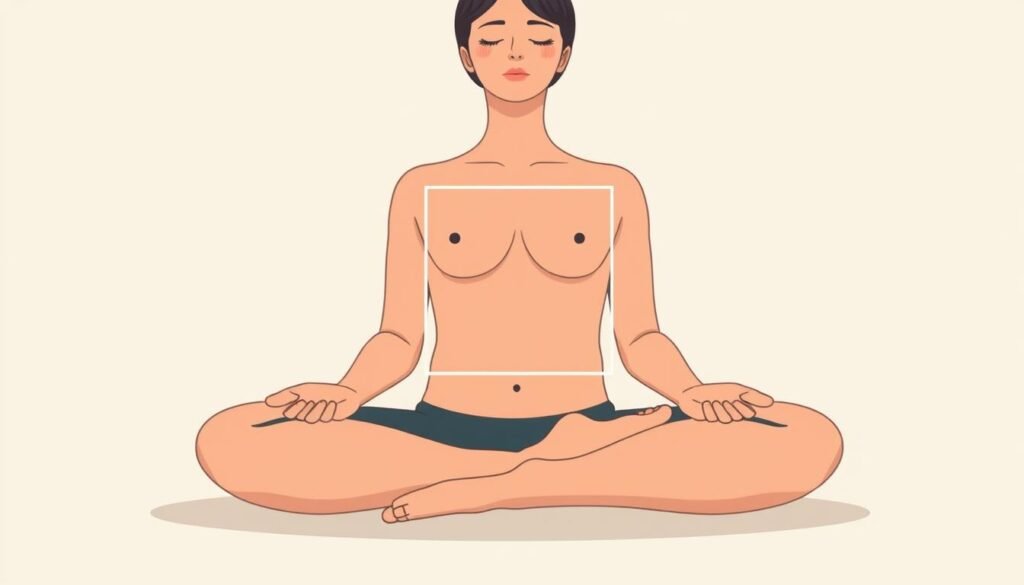
Originating from military training, box breathing is designed to balance the body’s stress response. By focusing on equal intervals, it helps regulate the sympathetic and parasympathetic nervous systems. This creates a sense of calm and clarity, even in challenging situations.
How to Practice Box Breathing
To start, find a comfortable seated or standing position. Begin by inhaling deeply through your nose for a count of four. Hold your breath for another count of four, then exhale slowly through your mouth for four counts. Finally, hold your breath again for four counts before repeating the cycle.
Visualization can enhance this practice. Imagine drawing a square in your mind, with each side representing one step of the process. This helps maintain focus and ensures consistency in your rhythm.
Benefits of Box Breathing
Box breathing offers numerous benefits, making it a valuable tool for stress management. It enhances focus by calming the mind and reducing distractions. Regular practice can also help regulate blood pressure, promoting overall cardiovascular health.
This technique is versatile and can be applied in various situations, from work meetings to traffic jams. However, beginners should start slowly to avoid dizziness. With consistent practice, box breathing can become a reliable way to stay calm and centered in any scenario.
What is 4-7-8 Breathing?
Looking for a simple yet effective way to unwind after a long day? The 4-7-8 method might be just what you need. This technique focuses on controlled breathing to help calm the mind and body. It’s especially useful for those struggling with stress or sleep issues.
Developed by Dr. Andrew Weil, this method emphasizes extended exhalation. This triggers the vagus nerve, which helps activate the parasympathetic nervous system. The result? A sense of deep relaxation and reduced anxiety.
How to Practice 4-7-8 Breathing
Start by placing the tip of your tongue against the ridge behind your upper front teeth. Keep it there throughout the exercise. Inhale quietly through your nose for a count of four. Hold your breath for seven counts, then exhale forcefully through your mouth for eight counts, making a whooshing sound.
For beginners, a modified count like 4-5-6 can make the technique easier to follow. Repeat this cycle four times to start. With practice, you can increase the number of repetitions.
Benefits of 4-7-8 Breathing
This method offers numerous benefits. It helps regulate your heart rate by accelerating it during inhalation and slowing it during exhalation. This cardiovascular impact promotes overall heart health.
Using this technique before bed can improve sleep quality. Research shows it helps stimulate melatonin production, making it easier to fall asleep. It’s also a great tool for managing stress in high-pressure situations.
By incorporating this practice into your routine, you can enjoy better relaxation, improved focus, and a calmer mind. It’s a simple yet powerful way to enhance your well-being.
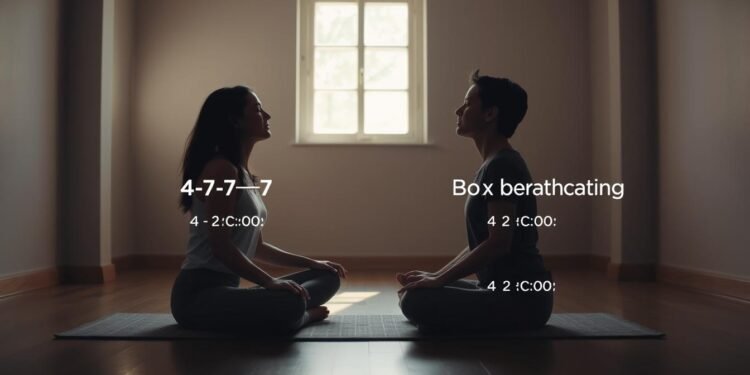
4-7-8 vs. Box Breathing: Key Differences
Understanding the nuances of different breathing methods can help you choose the right one for your needs. While both techniques aim to reduce stress, they differ in their approach and physiological impacts. Box breathing focuses on a balanced rhythm, while the 4-7-8 method emphasizes extended exhalation.
Box breathing’s equal intervals engage the nervous system by balancing the sympathetic and parasympathetic responses. This creates a sense of calm and clarity, making it ideal for acute anxiety. In contrast, the 4-7-8 technique triggers the vagus nerve, promoting deep relaxation and better sleep.
When it comes to cognitive effects, box breathing enhances focus by calming the mind. The 4-7-8 method, however, leans more toward sedation, making it perfect for winding down. Both techniques can reduce blood pressure, but clinical data shows variances in their effectiveness.
Breath retention plays a key role in both methods. Box breathing builds CO2 tolerance, improving your body’s response to stress. The 4-7-8 pattern, with its prolonged exhalation, helps regulate heart rate variability, offering long-term benefits for chronic stress.
By understanding these differences, you can tailor your practice to suit your needs. Whether you’re looking for immediate stress relief or long-term relaxation, these techniques offer powerful tools for enhancing your well-being.
When to Use Box Breathing vs. 4-7-8 Breathing
Choosing the right breathing technique can make all the difference in managing stress and improving your health. Both Box Breathing and the 4-7-8 method are effective, but they serve different purposes. Understanding when to use each can help you maximize their benefits.
For Stress Management
Box Breathing is ideal for acute anxiety or high-pressure situations. Its balanced rhythm helps calm the mind quickly. A study on PTSD patients found that this technique significantly reduced stress levels in just 30 minutes.
For beginners, starting with a 3-3-3-3 count can make it easier to practice. This method is also great for pre-workout routines, as it enhances focus and prepares the mind for physical activity.
For Better Sleep
The 4-7-8 method is perfect for winding down before bed. Its extended exhalation triggers the vagus nerve, promoting deep relaxation. Research shows it can improve sleep quality by stimulating melatonin production.
If you’re new to this technique, try a modified count like 4-5-6. This makes it easier to follow while still providing the benefits. A 10-minute session before bed can help you fall asleep faster and stay asleep longer.
For Beginners
If you’re just starting, both techniques can be adapted to suit your needs. For Box Breathing, a 2-4-6 progression allows you to build confidence. For the 4-7-8 method, shorter counts can help you get comfortable with the rhythm.
Remember, consistency is key. Even a 1-minute reset during the day can help reduce stress and improve focus. Over time, these practices can become powerful tools for enhancing your overall well-being.
Practical Tips for Incorporating Breathing Techniques into Your Routine
Breathing exercises can seamlessly fit into your daily life with a few simple adjustments. By integrating these practices into existing habits, you can make them a natural part of your day. For example, pair them with your morning coffee or during your commute. This habit-stacking approach ensures consistency without adding extra time to your schedule.
Tracking your progress can also keep you motivated. Use a journal or an app to log your sessions. This helps you see improvements over time and stay committed to your practice. Even a few minutes each day can make a significant difference in your overall well-being.
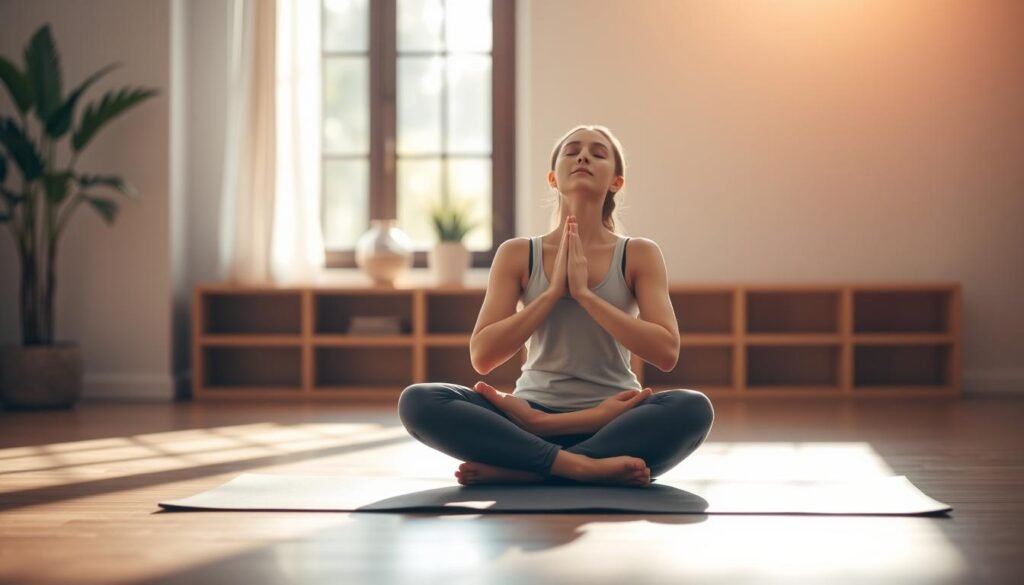
Posture plays a crucial role in effective breathwork. If you’re an office worker or frequent traveler, try sitting upright with your feet flat on the floor. This position allows your body to breathe more deeply and efficiently. Simple adjustments like these can enhance the benefits of your practice.
For beginners, a 7-day starter challenge is a great way to build consistency. Start with just 2-3 minutes of breathing exercises on the first day and gradually increase the duration. By the end of the week, you’ll have established a solid foundation for your routine.
Consider using wearable tech like Oxa for biofeedback. These devices provide real-time insights into your breathing patterns, helping you refine your technique. By combining technology with mindful practice, you can maximize the benefits of breathwork and transform your stress levels.
Conclusion
Mastering breath control can unlock profound benefits for your mind and body. Both methods discussed here activate the parasympathetic nervous system, promoting calm and focus. Clinical trials, like those using the Oxa wearable, show how these techniques improve stress resilience and cardiovascular health.
We encourage you to experiment with both methods to find what works best for you. Personalized practice ensures you reap the most benefits. Over time, these habits can enhance cognitive function and emotional balance.
To get started, explore guided audio tracks or join workshops. These resources can help refine your breathwork skills. Remember, consistency is key to mastering breath control and transforming your well-being.
FAQ
What is the main difference between 4-7-8 and box breathing?
The main difference lies in the rhythm and timing. 4-7-8 focuses on inhaling for 4 seconds, holding for 7 seconds, and exhaling for 8 seconds, while box breathing follows a 4-second pattern for inhaling, holding, exhaling, and holding again.
Which technique is better for managing stress?
Both techniques are effective, but box breathing is often preferred for immediate stress relief due to its balanced and steady rhythm, which helps calm the nervous system quickly.
Can these techniques help with sleep issues?
Yes, the 4-7-8 method is particularly effective for promoting relaxation and improving sleep quality by slowing down the breath and calming the mind.
Are these breathing exercises suitable for beginners?
Absolutely. Both techniques are simple to learn and practice, making them ideal for beginners looking to incorporate mindfulness and relaxation into their daily routine.
How often should I practice these breathing techniques?
For best results, practice daily. Even a few minutes each day can help improve focus, reduce anxiety, and enhance overall well-being.
Can I use these techniques in high-pressure situations?
Yes, both methods are excellent for managing anxiety in high-pressure scenarios. Box breathing is especially popular among professionals like Navy SEALs for maintaining calm under stress.
Do I need any special equipment to practice these techniques?
No, these exercises require no special equipment. All you need is a quiet space and a few minutes to focus on your breath.