
Have you ever wondered how a simple breathing technique could transform your mental and physical well-being? Alternate-nostril breathing, known in Sanskrit as nadi shodhana pranayama, is a foundational yogic practice with modern applications for stress reduction and overall health.
This technique balances the body’s energy channels, promoting calmness and focus. It’s a powerful yet accessible tool that requires no special equipment, making it easy to incorporate into your daily routine.
In this article, we’ll explore the benefits of alternate nostril breathing and provide step-by-step guidance to help you practice it safely and effectively. Whether you’re new to yoga or looking for a simple self-care habit, this practice can make a meaningful difference in your life.
Key Takeaways
- Alternate-nostril breathing is a yogic practice with roots in ancient traditions.
- It helps reduce stress and improve mental clarity.
- The technique balances the body’s energy channels.
- No special equipment is needed to practice.
- It’s easy to incorporate into daily routines.
What is Alternate-Nostril Breathing?
Curious about a 5,000-year-old practice that clears energy blockages? Known as nadi shodhana pranayama in Sanskrit, this technique translates to “subtle energy clearing breathing.” It’s a cornerstone of yogic traditions, designed to balance the body’s energy channels.
In yoga, there are three primary nadis, or energy pathways. The left nostril connects to the ida nadi, which governs calmness and creativity. The right nostril links to the pingala nadi, associated with energy and focus. This practice harmonizes these channels, promoting mental and physical equilibrium.
Did you know your body naturally cycles between dominant nostrils every 90 minutes? This physiological rhythm influences your energy levels and mood. A simple mirror test can help you identify which nostril is active at any given time.
Unlike regular breathing, which is often shallow and automatic, nadi shodhana encourages mindful, controlled breaths. This intentional approach helps clear energy blockages and enhances overall well-being. It’s a powerful yet accessible tool rooted in ancient wisdom.
Benefits of Alternate-Nostril Breathing
Discover how a time-tested technique can transform your daily life. This practice offers a range of benefits, from reducing stress to improving physical health. Let’s explore how it can enhance your well-being.
Reduces Stress and Anxiety
One of the most notable benefits is its ability to lower stress levels. A 2018 study found that regular practice reduced stress by 30% over three months. This is linked to the reduction of cortisol, the body’s primary stress hormone.
By calming the nervous system, this technique helps you feel more relaxed and focused. Even high-profile figures like Hillary Clinton have used it to manage post-election stress.
Improves Cardiovascular Function
This practice also supports heart health. A 2020 study showed improved blood pressure levels among medical students who practiced regularly. It enhances heart rate variability, a key indicator of cardiovascular resilience.
By balancing the body’s energy channels, it promotes better circulation and overall heart function. This makes it a valuable tool for maintaining a healthy heart.
Enhances Respiratory Endurance
Athletes and fitness enthusiasts can benefit from improved respiratory endurance. A 2017 study with swimmers found a 12% increase in endurance after consistent practice. This is due to better oxygen utilization and lung capacity.
Whether you’re an athlete or simply looking to improve your stamina, this technique can help you perform at your best.
Variations of Alternate-Nostril Breathing
Exploring different techniques can deepen your understanding of this ancient practice. While the core method remains the same, subtle variations can enhance its effects. Let’s dive into two popular forms: Anulom Vilom and Nadi Shodhana.
Anulom Vilom
Anulom Vilom, often called “continuous flow,” focuses on smooth transitions between breaths. There’s no pause between inhalation and exhalation, making it ideal for beginners. This pranayama technique helps clear energy channels and promotes relaxation.
Nadi Shodhana
Nadi Shodhana, or “channel cleansing,” includes a 2-3 second pause before exhaling. This pause enhances focus and balances the body’s energy pathways. It’s a more advanced form of the practice alternate nostril method, perfect for those seeking deeper benefits.
When practicing, consider your circadian rhythm. Starting with the left nostril in the morning promotes calmness, while the right nostril in the evening boosts energy. Proper fingers positioning is also key—use your index and middle fingers to alternate nostrils smoothly.
Whether you choose Anulom Vilom or Nadi Shodhana, both techniques offer unique benefits. Start with the basics and gradually progress to advanced forms for a richer experience.
How to Practice Alternate-Nostril Breathing
Ready to learn a simple yet powerful technique to enhance your focus and calm? This practice, rooted in ancient wisdom, can be easily incorporated into your daily routine. Let’s break it down step by step.
Step-by-Step Guide
Start by finding a comfortable seated position. Sit cross-legged on the floor or in a chair with your spine straight. This posture helps maintain focus and allows for smooth breath control.
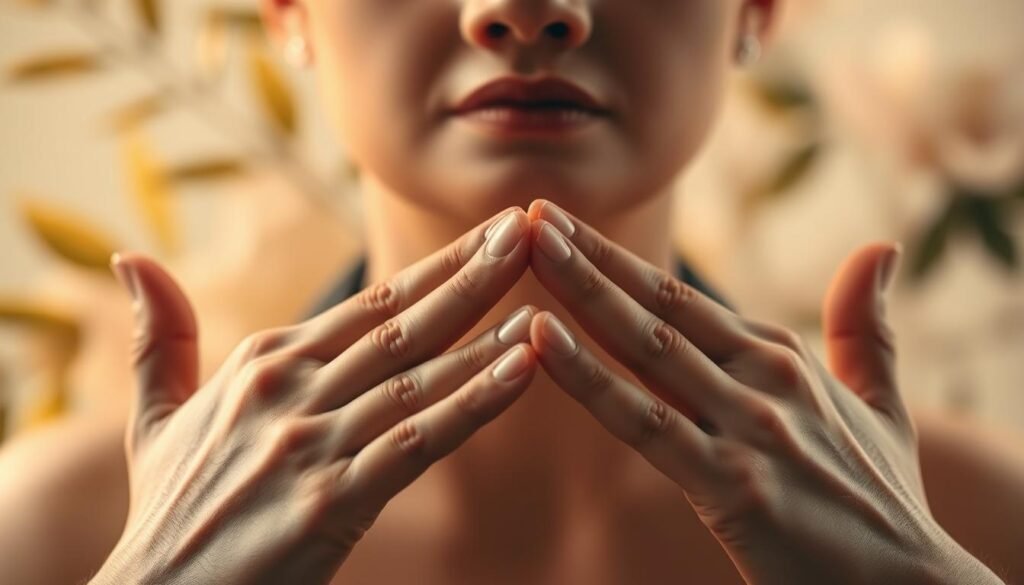
Next, form the Vishnu mudra with your right hand. Curl your index and middle fingers into your palm, leaving your thumb, ring, and pinky fingers extended. This hand position is key for alternating nostrils.
Place your thumb on your nose to close right nostril gently. Inhale slowly through your left nostril. Then, release your thumb and use your ring finger to close left nostril. Exhale through your right nostril.
Continue this pattern: inhale through the right, switch, and exhale through the left. Aim for a 4-4-4 count—inhale for 4 seconds, hold for 4 seconds, and exhale for 4 seconds. This rhythm promotes balance and calm.
Tips for Beginners
Practice on an empty stomach for the best results. A 5-minute daily session is ideal for beginners. Focus on smooth transitions between breaths to avoid strain.
Common mistakes include rushing the process or tensing your shoulders. Stay relaxed and maintain a steady pace. If you feel lightheaded, pause and resume normal breathing.
Track your progress by noting improvements in focus and stress levels. Over time, you’ll find this practice becomes second nature, offering lasting benefits for your mind and body.
When and Where to Practice
Wondering when and where to integrate this ancient practice into your daily life? Timing and location play a key part in maximizing its benefits. Let’s explore the best time and settings to make this technique work for you.
Morning is an ideal time to start your day with this practice. It helps clear your mind and sets a calm tone for the hours ahead. Evening sessions, on the other side, can help you unwind and prepare for restful sleep.
If you’re feeling stressed at work, a quick session can serve as a mental reset. Find a quiet part of your workspace, sit comfortably, and focus on your breath. This can help you regain focus and reduce tension.
Avoid practicing right after meals, as it may cause discomfort. Instead, wait at least an hour to ensure your body is ready. Also, skip this technique if you’re experiencing nasal congestion, as it may hinder proper airflow.
Traveling? This practice can be adapted for planes, trains, or cars. Simply find a quiet side of your seat, close your eyes, and follow the steps. It’s a great way to stay centered during long journeys.
Whether at home, work, or on the go, this technique fits seamlessly into your routine. Choose the right time and setting, and you’ll reap the benefits of this powerful practice.
Safety Considerations
While this practice offers numerous benefits, it’s essential to consider safety first. Not everyone may find it suitable, and certain precautions can help prevent adverse effects. Let’s explore who should avoid this technique and what to do if you experience discomfort.

Who Should Avoid This Practice?
People with certain health conditions should approach this technique with caution. Those with COPD or asthma may find it challenging to close right or close left nostrils effectively, potentially causing breathing difficulties. If you have a history of dizziness or low blood pressure, consult your doctor before starting.
Others who should avoid this practice include individuals recovering from nasal surgery or those with chronic sinus issues. Pregnant women should also seek medical advice, as changes in blood flow could affect their system.
What to Do If You Experience Adverse Effects
If you feel lightheaded or dizzy, stop immediately and resume normal breathing. Sit down and rest until the sensation passes. For those with trauma histories, consider trauma-sensitive modifications, such as shorter sessions or guided practice with a trusted instructor.
In case of persistent discomfort, consult a healthcare professional. Gradual acclimation is key—start with shorter sessions and increase duration as your body adapts. Always prioritize your well-being and listen to your body’s signals.
By understanding these safety considerations, you can practice with confidence and ensure a positive experience. Remember, your health and comfort come first.
Conclusion
Incorporating this ancient technique into your routine can yield significant benefits alternate nostril over time. For best results, commit to a consistent practice alternate nostril for at least three months. This timeframe allows your body and mind to adapt fully, unlocking its transformative potential.
This method works well as a complementary therapy, enhancing other wellness practices like meditation or yoga. To track your progress, consider journaling your experiences. Documenting changes in stress levels, focus, or energy can provide valuable insights.
Practicing with others can also be rewarding. Join local or online communities to share tips and stay motivated. Engaging with like-minded people can make the journey more enjoyable and meaningful.
Finally, always prioritize safety. If you have medical conditions, consult a healthcare professional before starting. This ensures you practice in the safest way possible, maximizing its benefits while minimizing risks.
FAQ
What is alternate-nostril breathing?
Alternate-nostril breathing is a yoga technique where you inhale and exhale through one nostril at a time, using your fingers to alternate sides. It helps balance energy and calm the mind.
What are the benefits of this practice?
This technique reduces stress, improves heart health, and boosts lung function. It also helps balance the nervous system and enhances focus.
How do I start practicing alternate-nostril breathing?
Sit comfortably, use your thumb and index finger to close one nostril, and breathe through the other. Alternate sides after each breath. Start with 5 minutes daily.
When is the best time to practice?
Morning is ideal, but you can do it anytime you feel stressed or need to focus. Avoid practicing right after meals.
Are there any risks?
Most people can safely practice this technique. However, if you have breathing issues or feel dizzy, stop and consult a healthcare professional.
Can beginners try this?
Yes, beginners can start with short sessions and gradually increase duration. Focus on slow, steady breaths for the best results.
What’s the difference between Anulom Vilom and Nadi Shodhana?
Anulom Vilom focuses on alternating nostrils without breath retention, while Nadi Shodhana includes pauses between breaths for deeper balance.