Have you ever wondered why something as simple as breathing can feel so challenging? Many of us take it for granted, but the way we breathe can significantly impact our physical and mental well-being. This beginner guide will help you master the art of diaphragmatic breathing, a foundational practice for stress management and overall wellness.
Diaphragmatic breathing isn’t just for yoga enthusiasts or athletes—it’s a skill anyone can learn. Whether you’re an office worker looking to reduce stress or a fitness enthusiast aiming to improve performance, this technique is accessible to all fitness levels. We’ll explore the science-backed benefits, practical techniques, and common mistakes to avoid.
By the end of this guide, you’ll have actionable steps to integrate this practice into your daily routine. Let’s transform the way you breathe and unlock a healthier, calmer you.
Key Takeaways
- Diaphragmatic breathing is essential for stress management and physical health.
- This practice is accessible to all fitness levels, from beginners to advanced.
- Learn practical techniques to improve your breathing habits.
- Avoid common mistakes that can hinder your progress.
- Discover how proper breathing can enhance emotional regulation.
What is Diaphragmatic Breathing?
The way you breathe can either fuel your body or leave it starved for oxygen. At the core of efficient breathing lies the diaphragm, a dome-shaped muscle located at the base of your lungs. This powerful muscle acts like a natural piston, expanding and contracting to draw air into your body.
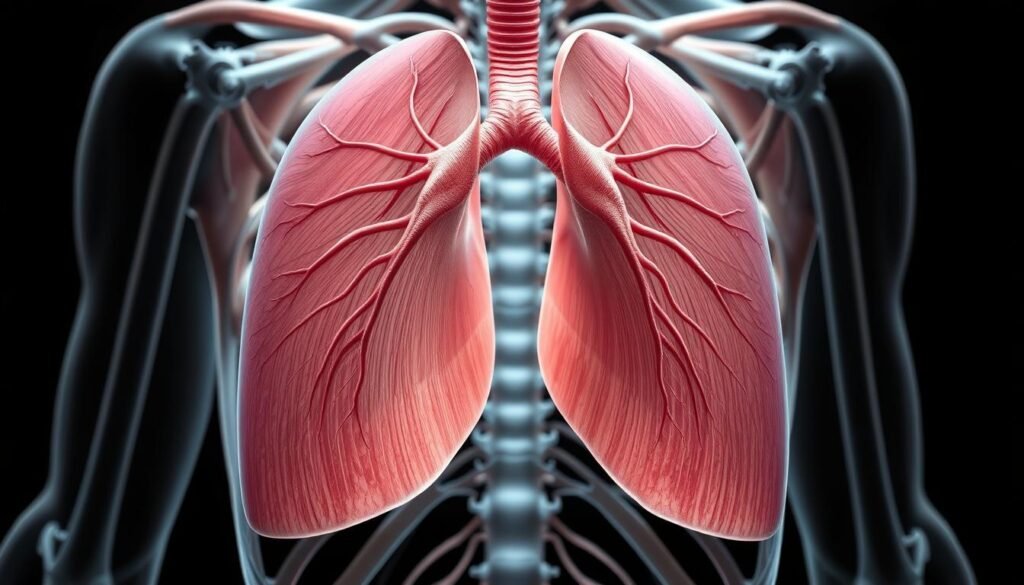
Unlike shallow chest breathing, which is common in stressed individuals, diaphragmatic breathing engages up to 80% more lung capacity. This technique, also known as belly breathing, allows your rib cage to expand fully, creating a vacuum that pulls air deep into your lungs.
Historically, this practice has roots in yogic pranayama and has evolved into a cornerstone of modern pulmonary therapy. When your diaphragm contracts, it not only improves oxygen intake but also strengthens your core stability. This connection between the diaphragm and core health is backed by studies from sources like Healthline.
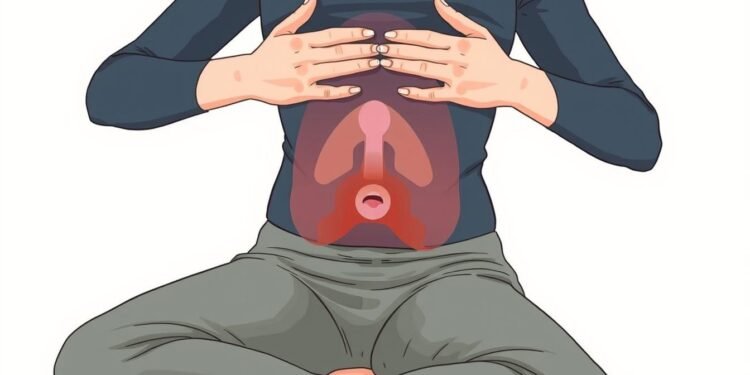
Despite its benefits, there are misconceptions about how belly breathing works. It’s not just about puffing out your stomach—it’s about engaging the diaphragm to maximize lung efficiency. A simple self-test involves placing one hand on your chest and the other on your belly. If your belly rises while your chest stays still, you’re doing it right.
Interestingly, infants naturally use this pattern, highlighting its innate role in optimal health. Whether you’re managing stress or improving lung function, understanding the mechanics of your diaphragm can unlock a world of wellness benefits.
Benefits of Diaphragmatic Breathing
Mastering your breath can unlock a range of physical and mental advantages. This technique isn’t just about relaxation—it’s a powerful tool for improving overall health. Let’s explore how it can strengthen your body, calm your mind, and enhance your well-being.

Strengthening the Diaphragm
Your diaphragm is a vital muscle that supports efficient respiration. When you engage it fully, you improve its endurance, which is especially beneficial for athletes and singers. Studies show that this practice can enhance core stability, leading to better posture and reduced back pain.
Reducing Stress and Anxiety
Deep breathing activates the vagus nerve, which helps lower cortisol levels by up to 20%. This natural response reduces stress and calms the amygdala, the brain’s fear center. For office workers, this technique has been shown to decrease tension headaches and improve focus.
Improving Lung Efficiency
Unlike shallow chest breathing, deep breaths utilize 100% of your lung capacity. This maximizes oxygen intake, which is crucial for managing conditions like COPD and asthma. Research indicates that patients with COPD experience 30% better oxygenation, while asthma sufferers see a 40% reduction in attack frequency.
By incorporating this practice into your routine, you can regulate blood pressure, boost athletic performance, and enhance emotional resilience. The benefits are clear—deep breathing is a simple yet transformative habit for a healthier life.
How to Perform Diaphragmatic Breathing
Learning to breathe effectively can transform your health and well-being. This technique is simple yet powerful, and it can be practiced in various positions—lying down, sitting, or standing. Let’s explore how to integrate this practice into your daily routine.
While Lying Down
Start by lying on your back with a pillow under your knees for support. Place one hand on your chest and the other on your stomach. This hand placement helps you feel the movement of your diaphragm. Inhale slowly through your nose, allowing your stomach to rise. Exhale gently, feeling your stomach fall. Repeat for 5-10 minutes.
While Sitting
Sit upright in a chair with your feet flat on the floor. Rest your hands on your knees or use the same hand placement as above. Inhale deeply through your nose, ensuring your chest stays still while your stomach expands. Exhale slowly, maintaining a steady rhythm. This method is perfect for office workers.
While Standing
Stand with your feet shoulder-width apart and your hands relaxed at your sides. Inhale deeply through your nose, focusing on expanding your stomach. Exhale fully, engaging your core. This variation is ideal for athletes or those seeking active recovery.
For best results, aim for 5-10 minute sessions, 3-4 times daily. This practice is equipment-free and accessible to everyone. By incorporating these techniques, you’ll unlock the full potential of your breath.
Common Mistakes in Diaphragmatic Breathing
Even the simplest practices can have pitfalls, and mastering proper breathing is no exception. While this technique offers numerous benefits, beginners often make errors that reduce its effectiveness. Let’s explore the most common mistakes and how to avoid them.
Incorrect Hand Placement
One of the most frequent errors is improper hand placement. Many beginners focus on their upper chest instead of their abdomen. This reduces the technique’s efficacy by up to 40%. To correct this, place one hand on your chest and the other on your stomach. Your stomach should rise while your chest remains still.
Shallow Breathing
Another common issue is shallow breathing, where only the collarbone moves. This limits oxygen intake and prevents full lung expansion. To avoid this, focus on deep inhalations that fill your abdomen, not just your chest. A steady rhythm of 6-10 breaths per minute is ideal.
Tension in the Shoulders and Chest
Many people unknowingly create tension in their shoulders and chest. This strain can lead to neck discomfort and hinder proper abdominal engagement. Relax your shoulders and keep your chest open. Visual cues, like imagining a string pulling your head upward, can help maintain proper posture.
By addressing these common mistakes, you’ll maximize the benefits of this practice. Remember, progress takes time, and small adjustments can make a big difference.
Conclusion
Transforming your daily habits can start with something as simple as your breath. By mastering diaphragmatic breathing, you unlock a range of physical and mental benefits, from reduced stress to improved lung function. This practice is a cornerstone of overall wellness and can be seamlessly integrated into your routine.
We encourage you to commit to a 21-day challenge to make this technique a habit. Track your progress and notice the positive changes in your energy and focus. For those with COPD or asthma, consult your healthcare provider before starting.
Pair this practice with mindfulness or meditation for even greater results. Share your experiences with others and inspire a workplace breathing break movement. Remember, small steps lead to big transformations—your breath is the foundation of self-care.
FAQ
What is diaphragmatic breathing?
It’s a technique that focuses on engaging the diaphragm, a muscle below the lungs, to promote deeper and more efficient breaths. This method helps the rib cage expand fully, allowing better oxygen flow.
How does this technique benefit the body?
It strengthens the diaphragm, reduces stress and anxiety, and improves lung efficiency. By focusing on the belly rather than the chest, it encourages full oxygen exchange.
Can I practice this while sitting or standing?
Yes, you can perform it in various positions. Whether lying down, sitting, or standing, the key is to keep the chest still and let the belly rise as you inhale slowly through the nose.
What are common mistakes to avoid?
Avoid incorrect hand placement, shallow breaths, and tension in the shoulders or chest. Keep the upper body relaxed and focus on filling the base of the lungs with air.
How often should I practice this technique?
Aim for 5-10 minutes daily. Consistency helps train the diaphragm and improves overall breathing patterns over time.
Can this help with conditions like COPD?
Yes, it’s often recommended for chronic obstructive pulmonary disease (COPD) as it enhances lung function and reduces symptoms like shortness of breath.
Should I use pursed lips during this exercise?
Pursed-lip breathing can complement this technique, especially for those with COPD. It helps control the pace of exhalation and keeps airways open longer.